Choosing the Right Materials for Custom Carpentry
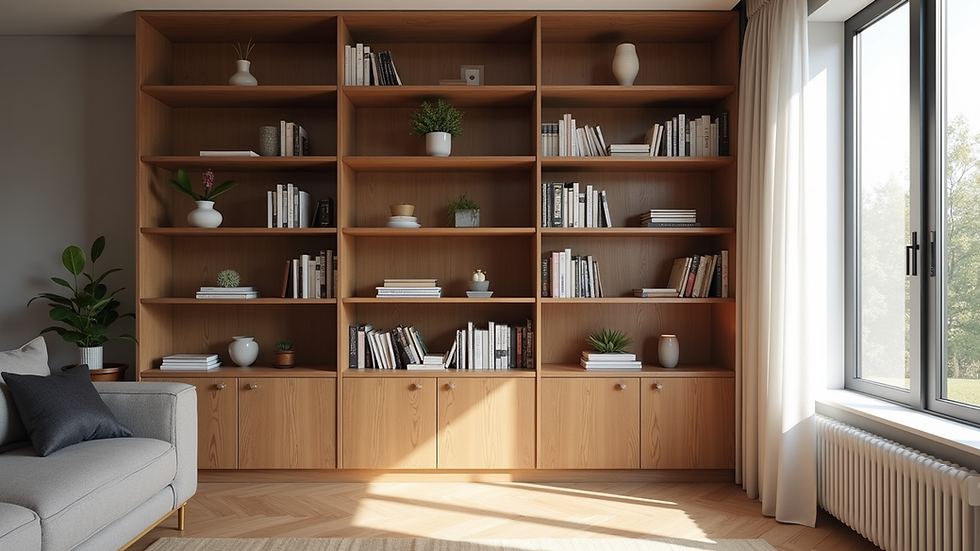
When you decide to invest in custom carpentry materials, you’re setting the foundation for a project that will last for years. The materials you choose affect not only the look but also the durability and functionality of your finished piece. Whether you’re upgrading your kitchen cabinets, building a custom bookshelf, or designing a unique piece of furniture, selecting the right materials is crucial. I want to guide you through this process with clear, practical advice that will help you make confident decisions.
Understanding Custom Carpentry Materials: What You Need to Know
Custom carpentry materials come in many forms, each with its own strengths and weaknesses. The most common materials include hardwoods, softwoods, plywood, MDF, and various composites. Knowing the differences between these options will help you pick the best fit for your project.
Hardwoods like oak, maple, and cherry are prized for their strength and beautiful grain patterns. They are perfect for pieces that need to withstand wear and tear.
Softwoods such as pine and cedar are lighter and easier to work with but may dent or scratch more easily.
Plywood offers stability and resistance to warping, making it a popular choice for cabinets and shelving.
MDF (Medium-Density Fiberboard) is smooth and affordable, ideal for painted surfaces but less durable in moist environments.
Composites combine wood fibers with resins or plastics, offering durability and resistance to moisture.
When choosing materials, consider the environment where the piece will live. For example, kitchens and bathrooms require moisture-resistant materials, while living rooms might prioritize aesthetics and durability.

What exactly does a carpenter do?
A carpenter’s role goes beyond just cutting and assembling wood. They bring your vision to life by selecting the right materials, measuring precisely, and crafting each piece with skill. Carpenters understand how different woods behave and how to work with them to avoid common issues like warping or cracking.
They also know how to finish surfaces to enhance durability and appearance. Whether it’s sanding, staining, or sealing, these finishing touches protect your investment and add to the beauty of the final product.
When you work with a professional carpenter, you benefit from their expertise in material selection and craftsmanship. This ensures your custom piece not only looks great but also stands the test of time.

How to Choose the Right Wood for Your Project
Choosing the right wood is one of the most important decisions in custom carpentry. Here are some tips to help you decide:
Match the wood to the project’s purpose. For heavy-use furniture like dining tables, hardwoods such as maple or oak are excellent choices. For decorative pieces, cherry or walnut offer rich colors and fine grain.
Consider the finish. Some woods take stain better than others. If you want a natural look, choose woods with attractive grain patterns.
Think about maintenance. Hardwoods generally require less upkeep, while softwoods may need more frequent refinishing.
Budget wisely. Exotic hardwoods can be expensive. If cost is a concern, consider high-quality plywood or MDF with a hardwood veneer.
Remember, the wood you choose will define the character of your piece. Don’t rush this step. Take time to see samples and ask your carpenter for advice.

Finishing Materials: Protecting and Enhancing Your Work
Once the wood is selected and shaped, the finishing materials come into play. Finishes protect the wood from moisture, scratches, and fading. They also enhance the natural beauty of the grain.
Stains add color while allowing the grain to show through.
Varnishes and polyurethanes provide a hard, protective surface.
Oils penetrate the wood to nourish and protect it from within.
Paints offer a wide range of colors and can hide imperfections but may require more maintenance.
Choosing the right finish depends on the wood type and the piece’s intended use. For example, kitchen cabinets benefit from a durable polyurethane finish, while a decorative bookshelf might look stunning with a natural oil finish.
Why Quality Materials Matter for Your Home
Investing in quality materials for your custom carpentry project pays off in the long run. High-quality wood and finishes mean your furniture or built-ins will resist damage and maintain their beauty over time. This is especially important in homes where pieces are used daily or exposed to changing temperatures and humidity.
When you choose trusted materials and skilled craftsmanship, you’re not just buying furniture - you’re creating heirlooms. These pieces tell a story and add value to your home.
If you want to ensure your project is done right, consider working with professionals who understand the importance of material selection and quality. For example, carpentry experts can guide you through the process and deliver results that exceed your expectations.
Bringing It All Together: Your Dream Project Starts Here
Choosing the right materials for your custom carpentry project is a journey. It requires thought, patience, and a bit of research. But the payoff is worth it - a beautiful, durable piece that fits your style and needs perfectly.
Start by defining your project’s purpose and environment. Then explore your material options, keeping in mind durability, appearance, and budget. Don’t hesitate to ask for samples or consult with professionals. Their experience can save you time and money.
Remember, your home deserves the best. With the right materials and expert craftsmanship, your custom carpentry project will be a source of pride and enjoyment for years to come. Take the first step today and watch your dream home vision come to life.
kientoto login
kientoto login
Keep up the good work; I really like this article.
logototo login
logototo login
logototo login
logototo login
logototo login
I love the art style—it’s unique and visually appealing,thank you
akuntoto login
I love the art style—it’s unique and visually appealing,thank you
bejototo login
bejototo login
bejototo login
I love the art style—it’s unique and visually appealing,thank you
jaditoto login
I love the art style—it’s unique and visually appealing,thank you